Quick Summary
- Facial trauma can damage teeth, gums, jawbone, and the tissues that support the teeth.
- Some teeth affected by trauma can be restored, while severely damaged or lost teeth may eventually require replacement.
- Dental implants and facial trauma may be connected when an injured tooth cannot be predictably preserved or when previous trauma has affected the bone needed to support an implant.
- A thorough evaluation helps determine the condition of the tooth, surrounding tissues, jawbone, and bite before treatment is planned.
- Depending on the injury, treatment may involve monitoring, restorative care, tooth removal, bone grafting, dental implants, or a combination of approaches.
Facial trauma can have effects that extend beyond the initial injury. A blow to the face, mouth, or jaw can damage a tooth, its supporting tissues, or the underlying bone. In some cases, the affected tooth can be treated and preserved. In others, the damage may eventually result in tooth loss.
When a tooth cannot be saved, replacing it becomes an important part of restoring oral function and appearance. Dental implants and facial trauma can therefore intersect when an injured or previously traumatized tooth needs to be replaced. However, implant treatment after trauma requires careful evaluation because the injury may have affected the bone and soft tissues surrounding the missing tooth.
How Can Facial Trauma Lead to Tooth Loss?
Facial trauma can affect different parts of a tooth and the structures that hold it in place.
Depending on the severity and location of the injury, trauma may cause:
- Cracks or fractures
- Damage to the tooth’s internal tissues
- A loose or displaced tooth
- Damage to the tooth root
- Gum injury or recession
- Damage to supporting bone
- Changes in the bite
- Tooth mobility
- Eventual tooth loss
Not every injured tooth needs to be removed. Some can be treated and monitored over time. However, a severely fractured or otherwise damaged tooth may not be able to remain functional or healthy. In these situations, tooth replacement may become part of the treatment plan.
Dental implants are one option for replacing missing teeth, but the appropriate approach depends on the individual injury and the condition of the surrounding tissues.
When Are Dental Implants Considered After Facial Trauma?
A dental implant may be considered when a tooth has been lost or needs to be removed, and the patient is an appropriate candidate for implant treatment. The goal is not simply to replace the visible portion of a missing tooth. Successful implant planning also considers the bone and soft tissues surrounding the site.
A history of facial trauma can be especially relevant because previous injuries may have affected:
- The amount and condition of supporting bone
- The gum and soft tissue around the missing tooth
- The position of nearby teeth
- The patient’s bite
- The overall anatomy of the treatment area
The American Association of Oral and Maxillofacial Surgeons notes that implant treatment can be used to restore function in patients with missing teeth and that hard- and soft-tissue defects resulting from trauma can be relevant to implant-related treatment.
This means an implant plan after facial trauma may look different from one for a tooth lost without a history of injury.
Does Facial Trauma Affect the Bone Needed for a Dental Implant?
It can.
Dental implants are placed into the jawbone, so the condition of the bone at the treatment site is an important part of the planning process. Facial trauma can damage supporting bone, and bone changes can also occur after a tooth is lost.
If there is not enough suitable bone to support an implant, additional treatment may be considered before or during implant placement. Depending on the situation, this may include a bone graft or another form of bone augmentation.
AAOMS educational guidance notes that insufficient bone at an implant site can result from previous trauma, among other causes, and that bone augmentation may be needed to provide adequate support for implant placement.
The type and timing of any grafting procedure depend on the individual anatomy and treatment plan. There is no single approach that is appropriate for every patient.
What Happens Before Placing a Dental Implant After Trauma?
Implant treatment typically begins with a detailed evaluation rather than immediately placing an implant.
The dental or oral surgical team may assess:
The Condition of the Teeth
If the injured tooth is still present, the first question is whether it can be predictably treated and preserved.
A tooth that appears damaged does not necessarily need to be removed. Evaluation helps determine whether restoration or another treatment option is appropriate.
The Supporting Bone
Previous trauma may have affected the bone surrounding the tooth. If the tooth has already been lost, the area will also be evaluated for the bone available for implant placement.
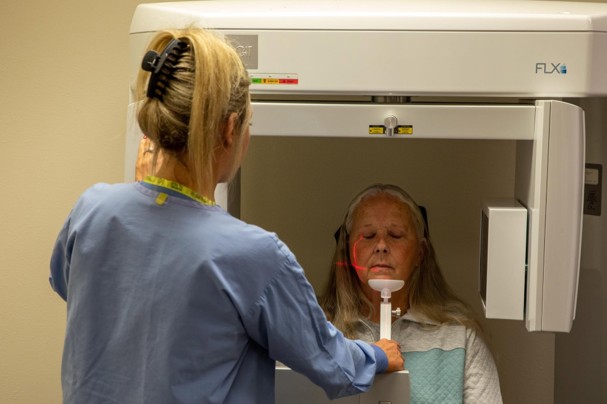
Dental imaging may be used to assess structures that cannot be fully evaluated through a visual examination.
The Gums and Soft Tissues
The appearance and condition of the gum tissue can also matter when planning treatment, particularly when the missing tooth is visible when smiling.
Trauma-related gum recession, scarring, or soft-tissue changes may influence the overall treatment plan.
The Bite
Trauma can sometimes change the position of teeth or affect how the upper and lower teeth come together.
Because implants are designed to function as part of the patient’s overall bite, changes resulting from the original injury should be considered during treatment planning.
Is Bone Grafting Necessary Before Dental Implants?
In some cases, yes.
In some cases, yes. Facial trauma can cause bone loss or defects that may affect the foundation needed for a dental implant. Bone grafting may help restore the necessary bone volume and can be performed before or, in selected cases, during implant placement.
However, not everyone with facial trauma will need a bone graft. The need for additional treatment depends on the extent of bone loss and the patient’s individual anatomy.
How Do Dental Implants Help Restore Function and Appearance?
When appropriate, dental implants can provide a foundation for replacing a missing tooth.
Replacing a tooth after trauma can address more than the visible gap. A missing tooth can affect chewing and may influence how the remaining teeth function together.
Implant treatment can be planned with both function and aesthetics in mind. The final restoration is designed to work with the surrounding teeth while also fitting into the patient’s smile.
However, the result depends on several factors, including the condition of the treatment site, available bone and soft tissue, the position of the implant, the final restoration, and the patient’s individual circumstances.
The goal is not to make every case identical. Treatment should be planned around the patient’s anatomy and the changes caused by the original trauma.
Is It Better to Place an Implant Immediately After a Traumatic Tooth Is Removed?
Not necessarily.
The timing of implant placement depends on the condition of the tooth, bone, gum tissue, and surrounding structures.
In some situations, immediate implant placement may be considered. In others, allowing the area to heal or performing additional treatment first may be more appropriate.
Previous trauma can make this decision more complex because the injury may have affected the supporting bone or soft tissues. Research discussed by the ADA also notes that compromised extraction sockets can influence decisions about immediate versus delayed implant placement.
For that reason, patients should not assume that an implant needs to be placed immediately after an injured tooth is removed. The appropriate timing should be determined through individual evaluation and treatment planning.
What Should Patients Know About Dental Implants After an Old Facial Injury?
A facial injury does not have to be recent to be relevant.
Some effects of dental trauma can become noticeable months or years later. A previously injured tooth may develop discoloration, sensitivity, mobility, or other changes over time. Previous trauma can also be relevant if the tooth eventually needs extraction or if implant treatment is being considered.
When discussing dental implants and facial trauma, patients should tell their dental or oral surgical team about previous injuries involving the mouth, teeth, or jaw, even if the trauma occurred years ago.
That history can provide useful context when evaluating the current condition of the teeth, bone, and surrounding tissues.
What Are the Signs That a Previously Traumatized Tooth Needs Evaluation?
A previous facial injury should not be ignored simply because the initial pain has disappeared.
Patients should consider seeking professional evaluation if they notice:
- New or increasing sensitivity
- Tooth discoloration
- A change in the way the teeth come together
- Swelling around a tooth
- Gum recession and persistent gum tenderness or bleeding
- A fractured or chipped tooth and changes in the position of a tooth
Some complications of dental trauma may develop gradually rather than immediately. Early evaluation can help determine whether the tooth can be preserved or whether additional treatment may eventually be necessary.
Practical Takeaways After Facial Trauma
If you have experienced an injury involving your face, mouth, or jaw, keep these points in mind:
- Do not assume a tooth is healthy simply because it looks normal. Some damage may involve internal or supporting structures.
- Have significant injuries evaluated. Dental imaging and examination may identify problems that are not visible.
- Monitor previously injured teeth. Changes can sometimes develop later.
- Tell your dental team about previous trauma. This history can be important when planning future treatment.
- Do not assume an implant is always the next step. If a tooth can be preserved, preserving it may be considered.
- Understand the condition of the bone before implant treatment. Previous trauma may affect the available bone and influence treatment planning.
- Ask about all treatment options. The appropriate approach depends on the tooth, bone, gums, bite, and overall circumstances
Restore Your Smile After Facial Trauma
Facial trauma can leave lasting changes to the teeth, gums, jawbone, and surrounding tissues. When an injured tooth cannot be preserved, replacing it may become an important part of restoring oral function and appearance.
Dental implants and facial trauma require careful planning because the original injury may have affected the structures needed to support an implant. An evaluation can help determine whether an implant is appropriate, whether additional procedures such as bone grafting may be needed, and what treatment approach best fits the patient’s situation.
If you have lost a tooth because of facial trauma or have concerns about a previously injured tooth, schedule a consultation with an oral and maxillofacial specialist to discuss your options.
Frequently Asked Questions
Can facial trauma cause a tooth to eventually need a dental implant?
Yes. Some traumatized teeth can be treated and preserved, while others may become too damaged to maintain. If a tooth is lost or needs to be removed, a dental implant may be one option for replacement.
Can I get a dental implant if facial trauma damaged my jawbone?
Possibly. The condition and amount of available bone are important factors in implant planning. If trauma has caused significant bone loss, additional treatment such as bone grafting may be considered before or during implant placement.
Do I need a bone graft after facial trauma?
Not necessarily. The need for bone grafting depends on the amount and condition of bone available at the proposed implant site. A professional evaluation and appropriate imaging can help determine whether additional bone treatment is needed.
How long should I wait for a dental implant after facial trauma?
There is no single waiting period that applies to every patient. The timing depends on the severity of the injury, healing of the tissues, condition of the bone, and the overall treatment plan. Your dental or oral surgical team can recommend an appropriate timeline after evaluating the injury.
Can an old facial injury affect dental implant treatment years later?
Yes. Previous trauma may have affected the tooth, supporting bone, gum tissue, or bite. That history can be relevant when evaluating a missing tooth and planning future implant treatment.
Can dental implants restore both function and appearance after facial trauma?
Dental implants can provide a foundation for replacing a missing tooth, with the final restoration designed to function with the surrounding teeth and complement the patient’s smile. The expected result depends on the individual’s anatomy and treatment needs.
Does every tooth lost after facial trauma need to be replaced with an implant?
No. Dental implants are one tooth-replacement option, but the appropriate treatment depends on the patient’s specific circumstances. Other restorative approaches may also be considered.
Glossary
Dental Trauma
An injury that affects a tooth or the tissues surrounding and supporting it.
Dental Implant
A tooth replacement that is placed into the jawbone to support a dental restoration.
Bone Grafting
A procedure used to add or restore bone in an area where additional bone may be needed for dental implant treatment.
Tooth Fracture
A crack, chip, or break affecting part of a tooth.
Tooth Mobility
Movement of a tooth beyond its normal slight physiological movement, which may occur when the supporting tissues have been affected.
Jawbone
The bone structure that supports the teeth and forms part of the upper or lower jaw.
Dental Imaging
Diagnostic images used to evaluate teeth, roots, jawbone, and other structures that cannot always be assessed through a visual examination alone.
Oral and Maxillofacial Surgeon
A dental specialist trained to diagnose and surgically treat conditions, injuries, and defects involving the mouth, jaw, face, and related structures.